
FREE DELIVERY FROM $138*
Check to see if we deliver to you.
FREE DELIVERY FROM $138*
Check to see if we deliver to you.


Are you worried that your parent or loved one isn’t eating or drinking enough? You’re not alone. Nutrition and hydration in aged care are two of the biggest concerns for families across Australia, and for good reason. A landmark study from Monash and Griffith Universities found that four in ten aged care residents are malnourished, with the Australian Government estimating the cost of this crisis at roughly $9 billion each year. In this guide, we’ll walk you through the best practices for keeping older Australians well-nourished and hydrated, whether they’re living in residential care or at home with support.
It’s a common myth that older people need less food. In reality, the opposite is often true for certain nutrients. Australian Government healthy eating guidelines explain that as we get older and often become less active, we may need fewer kilojoules overall, but we still require a similar amount of vitamins and minerals, and in some cases even more. Protein, calcium and vitamin D requirements actually increase in adults over 70.
When nutrition and hydration fall short, the effects can be serious. Dietitians Australia notes that inadequate intake can lead to muscle wasting, a weakened immune system, slower wound healing and a higher risk of falls and fractures. For older Australians receiving aged care, good nutrition isn’t simply about maintaining weight, it’s about preserving independence, dignity and quality of life.
As we age, we often need less energy but more nutrients. Focusing on protein and key vitamins and minerals helps older Australians stay strong, mobile and healthy.
Protein is essential for maintaining muscle mass, supporting the immune system and helping the body repair itself. According to Healthdirect Australia, adults over 70 need more protein than younger people. The recommended daily intake rises to 81g per day for men and 57g per day for women over 70. Spreading protein across breakfast, lunch, dinner and snacks gives the body the best chance of using it effectively.
The Aged Care Quality and Safety Commission’s protein guidelines recommend starting meals with the protein portion first, as appetite can fade quickly. A palm-sized serving of cooked lean meat provides roughly 20–30g of protein. High-protein snacks between meals, such as yoghurt, cheese and flavoured milk, can help bridge any gaps.
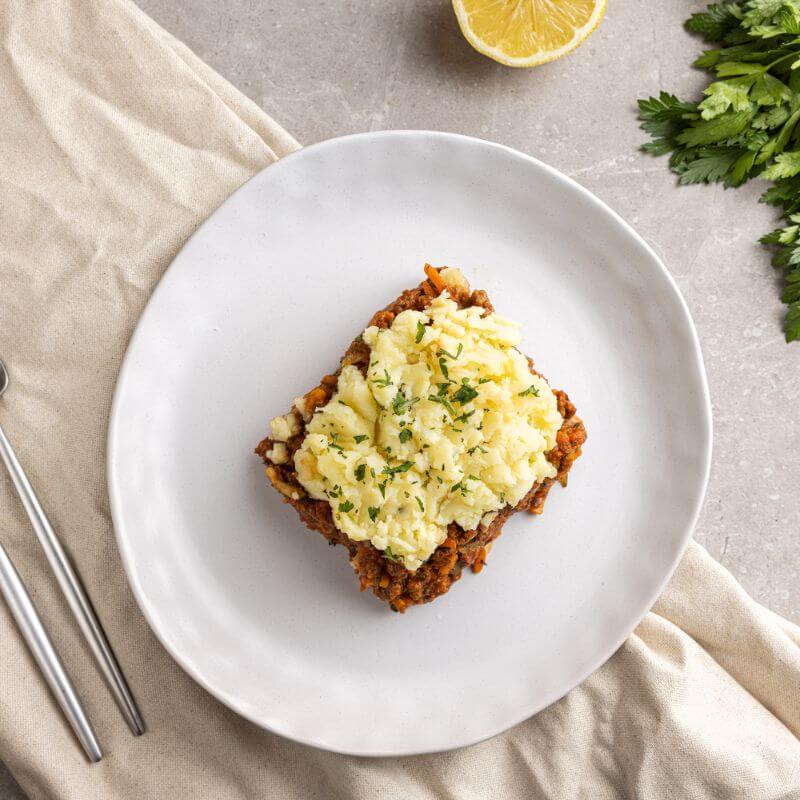
Our high-protein meals make it easy to meet daily targets, with generous servings of quality protein paired with vegetables for a balanced plate, including:

Beyond protein, several micronutrients play a vital role in healthy ageing. The Australian Dietary Guidelines highlight these nutrients as particularly important for older adults:

Staying hydrated is just as important as eating well. For older Australians, even mild dehydration can affect energy, mood and thinking, and can quickly lead to more serious health issues.
Dehydration is one of the most common, yet preventable, health risks for older Australians. The Aged Care Quality and Safety Commission warns that older people are at increased risk because their sense of thirst naturally diminishes with age. Some may also restrict fluid intake to avoid frequent trips to the bathroom, while others simply forget to drink throughout the day.
Signs of dehydration to watch for include dry or cracked lips, darker urine, reduced urine output, increased confusion and unusual drowsiness. Nutrition experts at Eat Well Nutrition note that, in aged care settings, a practical minimum daily fluid target for adequate hydration is around 1,500 to 2,000 ml, which is roughly six to eight glasses. Australian guidelines also suggest that, where possible, older adults should aim for about eight to ten cups of fluid a day (around 2.1 to 2.6 litres), adjusted for individual medical advice and conditions such as heart or kidney disease.
Keeping older adults well-hydrated doesn’t have to be a battle. Here are some practical strategies that families and carers can adopt:
Remember that fluids with nutritional value, such as milk, soup and smoothies, can do double duty by supporting both hydration and calorie intake.

Our chef-prepared meals, such as our Roast Pumpkin and Pork Hock Soup, provide both nourishment and fluid in a single, warming serve.
Supporting good nutrition in aged care is about more than just what is on the plate. The right systems, environment and menu choices can make it easier for older adults to eat well every day.
The Australian Government’s strengthened Quality Standards now include a dedicated food and nutrition standard (Standard 6) requiring aged care providers to deliver nutritious, appetising and safe food that meets each person’s individual needs and preferences. This standard, which came into effect in November 2025, also recognises that the experience of dining matters just as much as the food itself.
Choice is one of the biggest drivers of better food intake in aged care. When older adults can pick what they’d like to eat, rather than being presented with a single option, they’re more likely to eat enough. A pleasant, unhurried dining environment also makes a real difference.

Early identification of malnutrition risk is critical. The Victorian Department of Health recommends that people over 65 be screened for malnutrition within 24 hours of admission and at regular intervals throughout their hospital stay. The 2021 Royal Commission into Aged Care Quality and Safety found that the residential aged care sector had ‘failed to meet the nutritional needs of people for whom they care’ and identified improving nutrition as a priority area for immediate attention.
Key indicators to monitor include unplanned weight loss, changes in appetite, difficulty chewing or swallowing, and signs of dehydration. If you notice these signs in a loved one, speaking with their GP or an Accredited Practising Dietitian (APD) can help establish a tailored nutrition plan.
Many older Australians face challenges with chewing and swallowing (known as dysphagia), which can significantly reduce food intake. The good news is that soft-textured meals don’t have to be bland or boring. Our guide to soft meals for elderly Australians highlights how meals with naturally soft textures, like slow-cooked stews, creamy curries and soups, can deliver outstanding flavour alongside essential nutrients.
Our soft-textured meals make it easier for older adults to enjoy enough food and protein, including:
.jpg)
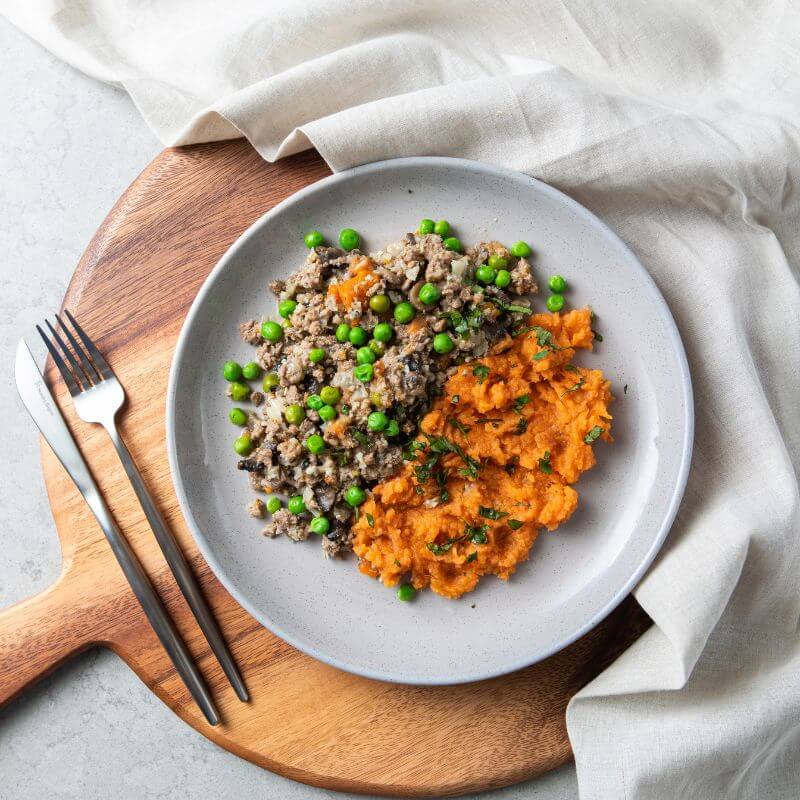
Not all older Australians live in residential care. Many receive support at home through Home Care Packages or the Commonwealth Home Support Programme. For those ageing at home, maintaining good nutrition can be especially challenging when cooking becomes difficult due to arthritis, fatigue, reduced mobility or cognitive changes.
This is where a meal delivery service for the elderly can play a valuable role. Having chef-prepared, nutritionist-approved meals delivered directly to the door removes the daily burden of shopping, preparing and cooking, while ensuring that every meal is balanced, nutritious and genuinely delicious.
At Nourish’d, all of our meals are 100% gluten free, endorsed by Coeliac Australia, and completely preservative-free. They’re delivered fresh (never frozen), and many of our customers access them through their Home Care Package, with co-payments as low as approximately $4.20 per meal. You can also explore our full range of easy meals for elderly to reheat for more practical tips.

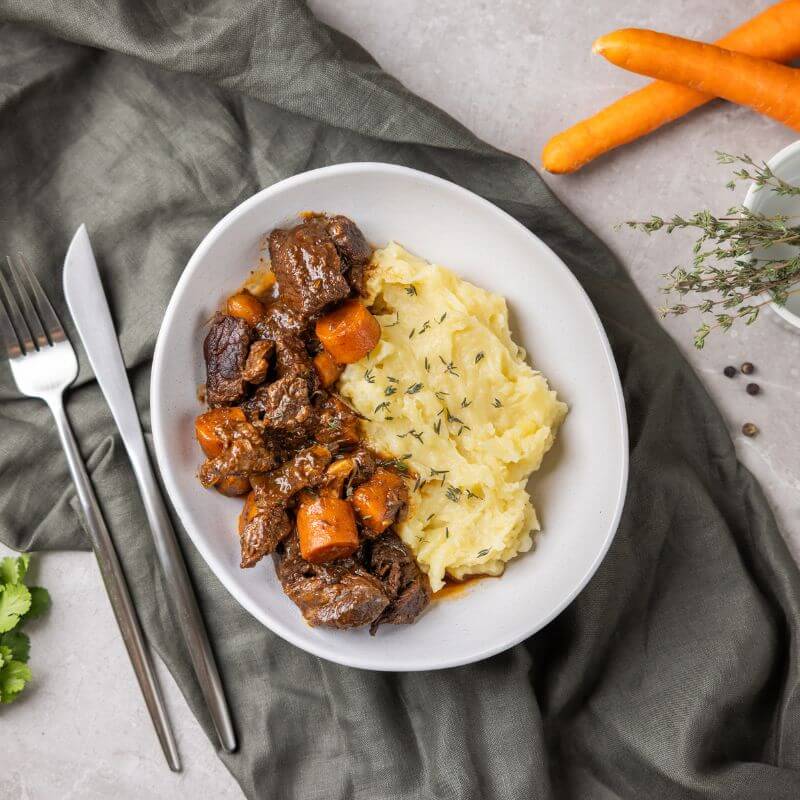
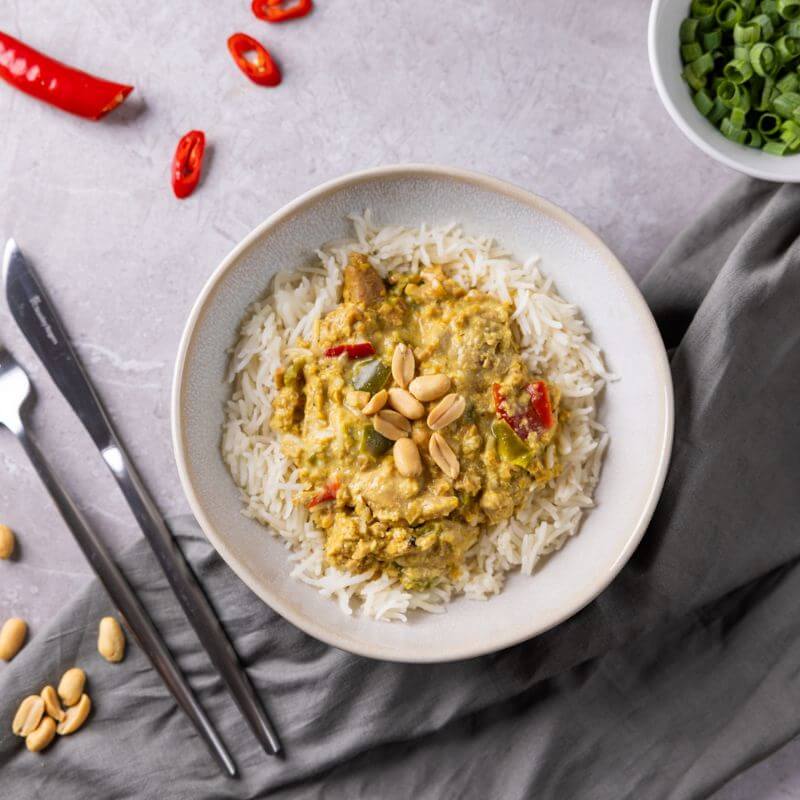
Every Nourish’d meal is crafted by professional chefs and reviewed by our in-house Accredited Dietitian to make sure it delivers real nutritional value. Here are some of our meals that are particularly well-suited for older Australians:



You can browse our full menu on the Nourish’d website and filter by dietary need, including:
Every single meal on our menu is 100% gluten free and endorsed by Coeliac Australia. We follow a rigorous Allergen Plan developed in collaboration with Coeliac Australia, so you can eat with complete peace of mind.
Yes! Many Home Care Package recipients access Nourish’d meals as part of their plan. Co-payments can be as low as approximately $4.20 per meal. Visit our Home Care Package meals page to check your eligibility or book an exploration call with our team.
The Australian Dietary Guidelines recommend that adults over 70 consume around 1g of protein per kilogram of body weight per day. This is higher than in younger adults, reflecting the increased need for tissue repair and muscle maintenance. Spreading protein intake across meals and snacks throughout the day helps the body absorb and use it most effectively.
Most older adults should aim for at least 1,500–2,000ml (roughly six to eight glasses) of fluid daily. This includes water, tea, coffee, milk, soup and other beverages. People with specific medical conditions may need different amounts, so it’s worth checking with a GP or dietitian for personalised advice.
Common signs include unplanned weight loss, fatigue, poor wound healing, frequent infections, confusion and a noticeable decline in physical strength. Dietitians Australia emphasises that some symptoms can be mistaken for normal signs of ageing, so regular screening by a health professional is important.
We offer a range of naturally soft-textured meals, including soups, curries and slow-cooked stews, that require minimal chewing. Our guide to soft meals for elderly Australians covers our best options in detail.
Good nutrition and hydration in aged care aren’t luxuries, they’re the foundation of comfort, health and independence for the people who’ve spent a lifetime looking after us. Whether your loved one is in residential care or ageing at home, small changes to how food and fluids are offered can make a real difference. With fresh, chef-prepared meals delivered to the door, you can feel confident that the people you care about are getting the nourishment they deserve.

