Your Guide to Low Carb Gluten Free Foods: What to Eat & Why
Authored By Abbey Cameron
This is some text inside of a div block.
First Published:
August 9, 2025
Last Updated:
August 19, 2025
If you're navigating the world of low carb gluten free foods, you might feel like you're trying to solve a particularly tricky puzzle. But here's the wonderful news: combining these two dietary approaches isn't just possible—it can be absolutely delicious and incredibly beneficial for your health.
Whether you're dealing with coeliac disease, managing blood sugar levels, or simply looking to feel more energised throughout your day, understanding how to marry low-carb and gluten-free eating can transform your relationship with food. Let's dive into everything you need to know about making these dietary choices work beautifully together.
Understanding Low Carb Versus Gluten Free: They're Not the Same Thing
Here's where many people get confused: gluten-free doesn't automatically mean low-carb, and vice versa. Let's clear this up once and for all.
Gluten-free means avoiding the protein found in wheat, barley, and rye. According to the Grains & Legumes Nutrition Council, approximately 1% of Australians have coeliac disease, with an additional 6% reporting gluten sensitivity. For these individuals, avoiding gluten isn't a choice—it's essential for their health.
Low-carb, on the other hand, means limiting your overall carbohydrate intake, typically to less than 26% of your total daily calories. This approach has been shown to support weight loss and improve blood sugar control.
The confusion often arises because many gluten-containing foods (like bread and pasta) are also high in carbs. But here's the kicker: many gluten-free alternatives are actually higher in carbohydrates than their gluten-containing counterparts. Surprise!
Why Combine Low Carb and Gluten Free?
When you bring these two approaches together, something rather superb happens. You're not just avoiding gluten or cutting carbs—you're creating a dietary approach that can:
Reduce inflammation: Removing gluten is essential for those with coeliac disease, as it helps heal intestinal inflammation. The Better Health Channel notes that this healing allows proper nutrient absorption to resume. For people without gluten-related conditions, cutting gluten is not necessary for reducing inflammation.
Stabilise energy levels: Low GI foods release glucose gradually, providing sustained energy throughout the day. Healthdirect notes this helps "maintain steady blood sugar levels" and prevents energy crashes.
Support digestive health:Queensland Health explains that eliminating gluten allows the intestinal lining to heal in those with coeliac disease, which improves overall digestive function. People without gluten intolerance or coeliac disease do not need to avoid gluten for digestive health benefits.
Enhance mental clarity:University of Queensland research shows stable blood sugar levels from low GI foods help "avoid sudden drops in brain power," while University of Sydney studies confirm that reducing refined carbs supports better cognitive function.
Natural Low Carb Gluten Free Foods to Fill Your Plate
The beauty of eating low-carb and gluten-free lies in the abundance of naturally compliant foods. Here's what to stock up on:
Making It Easy with Nourish'd: Chef-Crafted Solutions
We understand that preparing low-carb, gluten-free meals from scratch every day isn't always realistic. That's why we've created a range of meals that tick both boxes without compromising on flavour or nutrition.
Our nutritionist-approved options include:
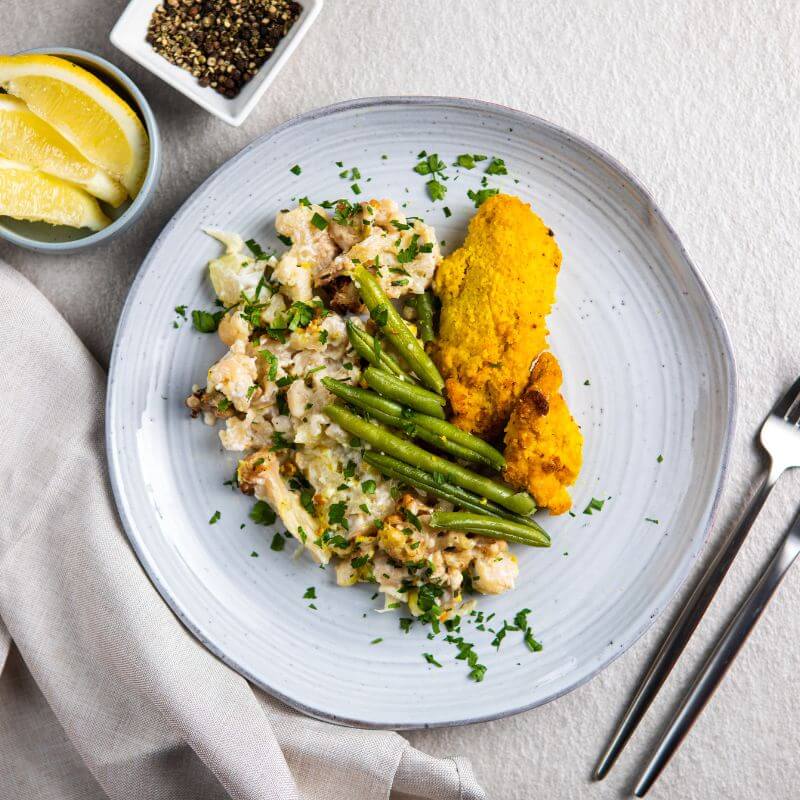
Portuguese Chicken: Tender chicken with our signature spice mix and creamy cauliflower mash—incredibly low at just 4g of carbs
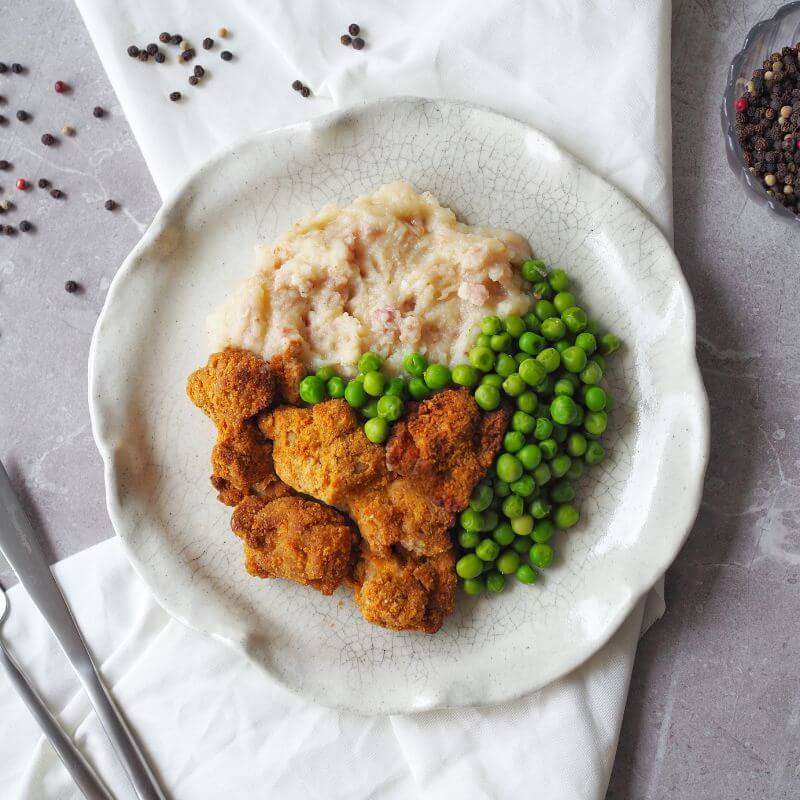
Keto Popcorn Chicken: Crispy, golden perfection that proves comfort food can be keto-friendly with only 6g of carbs
Each meal is clearly labelled with dietary information, so you'll never have to guess whether it fits your requirements.
Smart Swaps for Everyday Eating
Transitioning to low-carb, gluten-free eating becomes easier when you know the right substitutions:
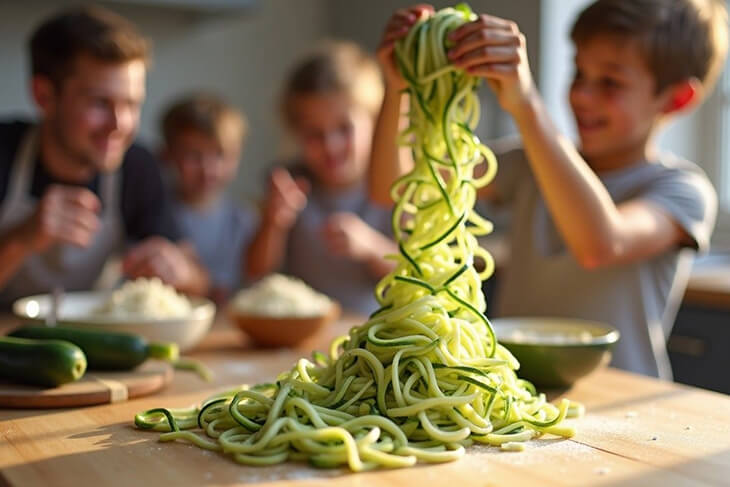
Instead of pasta: Try zucchini noodles, shirataki noodles, or cauliflower gnocchi
Instead of rice: Cauliflower rice or broccoli rice work brilliantly
Instead of wheat flour: Almond flour or coconut flour for baking
Instead of regular pizza base: Cauliflower or cheese-based crusts
Instead of breadcrumbs: Crushed nuts or seeds
Common Pitfalls to Avoid
Let's be straight with you—there are some traps to watch out for:
The gluten-free junk food trap: Just because something's gluten-free doesn't make it healthy. Many gluten-free processed foods are loaded with sugar and refined starches.
Nutrient deficiencies: Research shows that poorly planned gluten-free diets can lack B vitamins, iron, and fibre. Choose nutrient-dense whole foods to avoid this.
Hidden carbs: Watch out for sauces, dressings, and marinades that can harbour both gluten and excess carbs.
The expense excuse: Yes, specialty products can be pricey, but focusing on whole foods keeps costs manageable.
Your Action Plan for Success
Ready to embrace low-carb, gluten-free eating? Here's your roadmap:
Start with whole foods: Focus on naturally gluten-free, low-carb options first
Read labels carefully: Look for both carb content and gluten-containing ingredients
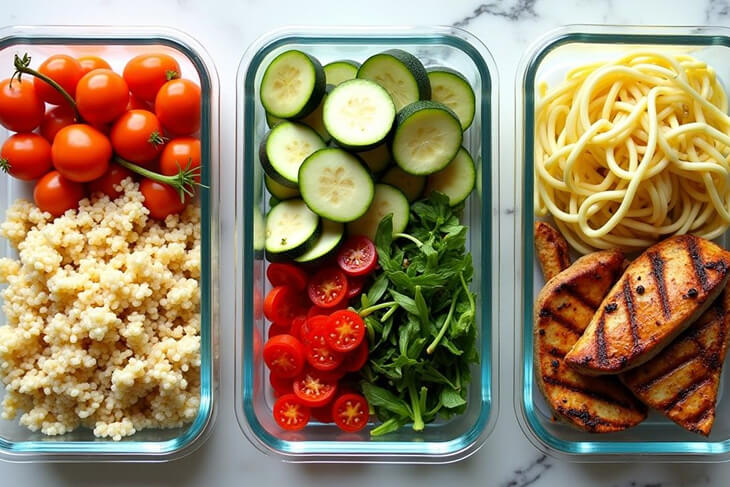
Meal prep is your friend: Batch cooking saves time and prevents impulsive choices
Keep it simple: You don't need complicated recipes to eat well
Listen to your body: Everyone's needs are different—find what works for you
The Bottom Line
Combining low-carb and gluten-free approaches doesn't mean sacrificing flavour or variety. With the right knowledge and resources, you can create a sustainable way of eating that supports your health goals while keeping your taste buds thoroughly satisfied.
Remember, what's inside matters—not just for our meals, but for your overall wellbeing. Whether you're managing a health condition or simply looking to feel your best, low-carb gluten-free eating can be your pathway to more energy, better digestion, and improved health.
Ready to make your low-carb, gluten-free journey deliciously simple? Explore our range of chef-crafted meals that take the guesswork out of healthy eating. Because you deserve food that nourishes your body without complicated meal planning or hours in the kitchen.
Ready to Simplify Your Low-Carb, Gluten-Free Journey?
Let our chefs do the cooking while you enjoy delicious, nutritionist-approved meals delivered fresh to your door.
10 years ago I knew I needed to bring a better option to market for people that were time poor but truly cared about their health - and Nourish’d was born. In the last ten years I have made it my mission to understand, through personal experience and my community, all of the elements that work together to make a person FEEL great in their body, mind, and soul. Now, I’m on a mission to educate others - often it’s the most simple things we can do that make the biggest differences in our lives, and I am determined to bring a voice to that.
Nia
Recent chats
No past conversations yet.
Nia
Hi, I'm Nia, the Nourish'd AI agent here to help 24/7! I'm
brand new, so like you would with any new team member,
please be patient with me.







.jpg)