
FREE DELIVERY FROM $138*
Check to see if we deliver to you.
FREE DELIVERY FROM $138*
Check to see if we deliver to you.


Wondering what your loved one will eat in aged care, or what your own meals might look like as you explore care options? You’re not alone. An aged care food menu should do more than fill a plate; it should nourish the body, support health, and bring genuine enjoyment to every mealtime. With Australia’s strengthened Aged Care Quality Standards now placing food and nutrition front and centre, expectations for aged care dining have never been higher. Let’s walk through what a quality aged care food menu looks like, the nutrition behind it, and how to make sure every meal counts.
Good nutrition plays a critical role in healthy ageing. As we get older, our bodies need more of certain nutrients, particularly protein, calcium, and vitamin D, while appetite often decreases. According to Dietitians Australia, around 50% of older Australians in aged care and in the community face malnutrition risk. That’s a staggering number, and it highlights just how important it is to get mealtimes right.
Malnutrition in older adults doesn’t just mean weight loss. As noted by Healthdirect Australia, it can:
A well-designed aged care food menu directly addresses these risks by ensuring every meal delivers the right balance of nutrients in forms that are easy and enjoyable to eat.
The Australian Department of Health, Disability and Ageing has made nutrition a cornerstone of aged care reform. Under the new Aged Care Act 2024, providers must deliver meals that are nutritious, appetising, and tailored to individual needs and preferences. This means rotating menus, seasonal ingredients, and genuine choice, not just reheated trays.
A well-structured aged care food menu typically covers three main meals and additional snacks throughout the day. Quality menus rotate on a weekly or fortnightly cycle, offering variety that keeps mealtimes interesting. Here’s what you can generally expect:
Morning meals in aged care usually offer a mix of hot and cold options. Think scrambled eggs with roasted tomato on toast, porridge with honey and stewed fruit, or yoghurt with muesli. According to Better Health Channel, protein is especially important for older adults to maintain muscle mass and strength. Starting the day with a protein-rich breakfast, such as:
Helps set the tone for adequate nutrition across the day.

Lunch is often the heartiest meal of the day in aged care. A sample menu might feature roast chicken with vegetables and gravy or grilled fish with potato mash. Side salads, fresh bread rolls, and seasonal fruit round out the meal. The focus is on protein-rich mains paired with at least two to three serves of vegetables.
If you’re looking for easy meals for older adults to reheat at home, dishes like our Creamy Tuscan Chicken with Garlic Butter Greens deliver that same comforting, restaurant-quality experience. Tender chicken breast in a creamy sun-dried tomato sauce, served with buttery garlic greens, it’s wholesome, indulgent, and ready in minutes.
Evening meals tend to be lighter but still nutritionally complete. Expect options like Beef Massaman, Bangers and Mash, or baked fish with steamed greens. A quality aged care food menu ensures dinner includes a substantial serve of protein, such as meat, fish, eggs, legumes or tofu, so that, across the day, older adults can meet their higher protein needs in line with Australian nutrition guidance.
Between meals, aged care menus typically include morning tea, afternoon tea, and a light supper. These might feature cheese and crackers, fresh fruit, yoghurt, sandwiches, or warm drinks with biscuits. These smaller meals are more than just treats, they help maintain energy levels and prevent the nutritional gaps that can lead to unplanned weight loss.
To give you a clearer picture of what quality aged care dining looks like, here’s a sample weekly menu. This type of rotating menu reflects the variety and nutritional balance recommended under Australia’s food and nutrition standards for aged care:
This sample menu shows how aged care dining can be both nutritious and genuinely enjoyable. The key is variety, rotating proteins, mixing up vegetables, and including cuisines from around the world to keep meals exciting.

The best aged care food menus don’t just tick nutritional boxes, they deliver meals that people genuinely look forward to eating. At Nourish’d, we believe every meal should feel like a treat, not a compromise. Here are some examples of the kind of quality you should expect:
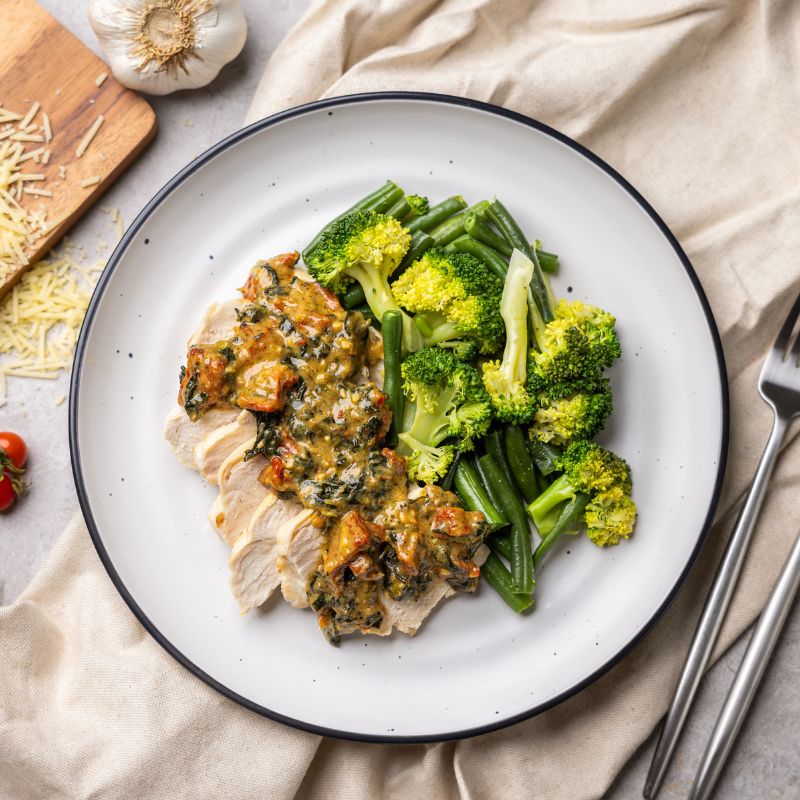
Tender chicken breast in a creamy sun-dried tomato sauce, paired with garlicky greens, our Creamy Tuscan Chicken with Garlic Butter Greens is a comforting, home-style meal that feels like a treat while still supporting good health. High in protein and packed with nutrient-dense vegetables, it helps older adults maintain muscle strength and energy across the day. With its rich, Italian-inspired sauce and generous serving of greens, this dish delivers warmth, flavour, and nutrition in every bite.

Light yet satisfying, our Lemon Pepper Chicken features tender chicken breast with a zesty lemon pepper sauce, sweet potato mash, and green beans. With three vegetable serves per portion, it’s a protein-rich meal that’s easy on the palate and packed with B vitamins for energy. It’s the sort of meal that proves healthy eating and delicious dining aren’t mutually exclusive.
.jpg)
Who says aged care dining can’t include global flavours? Our Chicken Masala with Basmati Rice brings gentle spice and aromatic depth to the table. Made with chicken thigh, broccoli, cauliflower, and coconut cream, it’s a flavour-packed option that’s also 100% gluten-free and nut-free.

For something a little different, our Portuguese Chicken is a crowd favourite. It’s 100% gluten-free and low-calorie, making it ideal for older adults who want flavour without the heaviness. Every Nourish’d meal is chef-prepared with fresh ingredients, no artificial preservatives, no refined sugars, and absolutely no gluten.
Understanding the specific nutritional needs of older Australians helps explain why aged care food menus are designed the way they are. Research from the Australian Bureau of Statistics found that one in seven males and one in 25 females aged 71 and over do not meet their protein requirements. Here are the nutrients that matter most:
Older adults need more protein than younger people to maintain muscle mass and support immune function. The Nutrient Reference Values for Australia recommend that men over 70 aim for approximately 81g per day and women approximately 57g per day. Our high-protein meals are designed with exactly these needs in mind.
Bone health becomes increasingly important with age. As highlighted by the Aged Care Quality and Safety Commission, increasing calcium intake and ensuring adequate vitamin D are essential for preventing fractures and osteoporosis in older adults.
Dehydration is a common yet preventable concern among older adults. A good aged care food menu includes adequate fluids throughout the day, not just water, but soups, teas, and meals with higher moisture content. Dishes like our Roast Pumpkin and Pork Hock Soup naturally contribute to fluid intake while providing warmth and nourishing comfort.
Digestive health can change with age, making fibre an important part of every meal. Whole grains, vegetables, and legumes all contribute to healthy digestion. Many Nourish’d meals include wholesome ingredients like quinoa, sweet potato, and mixed vegetables to support gut health naturally.
Not everyone has the same dietary needs, and a quality aged care food menu should accommodate a range of requirements. Consider each person’s dietary needs and modifications, including:
Common dietary modifications in aged care include:

If you or your loved one receives care at home rather than in a residential facility, you may be able to access nutritious meals through your Home Care Package. At Nourish’d, we’re proud to be an approved meal provider for Government Home Care Packages, making it easier to enjoy chef-prepared meals delivered fresh to your door.
Getting started is straightforward. You can check whether your Home Care provider is partnered with us, and if they’re not yet listed, we’ll work to engage them on your behalf. Our meal delivery service for the elderly is designed to take the stress out of meal planning, preparation, and clean-up, so you can focus on the things that matter most.
Whether you’re choosing a residential care provider or selecting a meal delivery service for someone receiving care at home, here are the signs of a menu that truly prioritises health and happiness:
You don’t need a professional kitchen to create nutritious, satisfying meals for older family members. Here are some practical tips:
A thoughtful aged care food menu does so much more than feed the body; it supports independence, protects health, and brings comfort and joy to every day. Whether you’re exploring residential care options or looking for ways to improve nutrition at home, understanding what to expect from mealtimes empowers you to make the best choice. With over 60 chef-prepared, 100% gluten-free meals delivered fresh, Nourish’d is here to make nourishing mealtimes effortless. If you’d like to see how this can work through Government-funded support, explore our Home Care meal delivery options today.


No past conversations yet.