
FREE DELIVERY FROM $138*
Check to see if we deliver to you.
FREE DELIVERY FROM $138*
Check to see if we deliver to you.


Navigating nutrition when you're living with a disability can feel overwhelming, especially when you're trying to work out what support is actually available. If you've been searching for an NDIS dietitian to help manage your health and dietary needs, you're already on the right track. People living with disabilities may have unique food and nutrition needs due to physical, intellectual, sensory, or psychiatric impairments. The good news? You don't have to figure it all out alone. This guide covers everything from accessing NDIS-funded dietitian services to practical tips for making nutrition easier every day.

A NDIS dietitian is an Accredited Practising Dietitian (APD) who works with participants of the National Disability Insurance Scheme to address nutrition-related challenges. Unlike the general term 'nutritionist', which is not a regulated title and can describe people with varying levels of training, APDs have completed an accredited university degree in nutrition and dietetics, undertaken supervised clinical training, and are credentialled by Dietitians Australia to provide medical nutrition therapy for complex conditions.
These professionals understand both the clinical and practical sides of eating well with a disability. They can help with:
NDIS dietitians provide tailored support across a wide range of nutrition needs. Here's what they can help with:
NDIS official guidelines confirm that nutrition supports may be funded when your disability affects your ability to understand healthy eating or to eat, cook, or prepare meals independently.
Getting dietitian support through your NDIS plan involves a few simple steps:
Once approved, you can choose from registered or unregistered providers depending on how your plan is managed:
Your first session typically involves a comprehensive nutrition assessment. The dietitian will review:
They'll also discuss your goals, whether that's managing a health condition, gaining independence in the kitchen, or simply feeling better day-to-day.
Follow-up sessions focus on implementing and refining your nutrition plan. This might include:
Many dietitians now offer telehealth consultations, making it easier to access support regardless of where you live in Australia.

Working with an NDIS dietitian provides expert nutrition guidance, but consistently applying that advice in daily life can be challenging. Planning and preparing balanced meals requires time, energy, and practical cooking skills - resources that aren't always available to every participant.
This is where meal delivery services can work beautifully alongside your dietitian's recommendations. Rather than replacing professional care, quality prepared meals can help you consistently follow your nutrition plan without the daily burden of cooking from scratch.
At Nourish'd, we've designed our meals to complement the work of healthcare professionals. All our meals are 100% gluten-free and Coeliac Australia Endorsed, making them safe for participants managing coeliac disease or gluten sensitivity. We're also free from artificial preservatives, so you're getting real, wholesome ingredients in every meal.
Australian hospital data indicate that coeliac disease affects about 1 in 70 Australians, and around 80% of these people are undiagnosed. This means many people living with coeliac disease are unaware they have it.
For NDIS participants with coeliac disease, following a strict gluten-free diet is essential, even tiny amounts of gluten can trigger immune responses that damage the small intestine and lead to serious health complications.
The challenge? Cross-contamination. Even if a meal is made with gluten-free ingredients, preparation in a shared kitchen can introduce traces of gluten. This is why having access to reliably gluten-free meals prepared under strict cross-contamination controls is so important. Your NDIS dietitian can help you understand these risks and recommend safe options that align with your care plan.
While the NDIS doesn't cover the cost of food itself (it's considered an everyday living expense), it can fund the preparation and delivery of meals when your disability prevents you from cooking safely or understanding your nutritional needs.
Participants can claim either:
Meal delivery providers who work with NDIS participants provide compliant invoices that make claiming straightforward.
For participants with Core Support funding specified for meal preparation and delivery, this can be accessed flexibly. If meal delivery isn't currently in your plan, speak with your support coordinator or Local Area Coordinator about how to include it in your next review.
NDIS dietitians work with participants across a wide range of disabilities and conditions. Here's how prepared meal delivery can support participants with specific needs:
Many people with autism experience sensory sensitivities that affect their relationship with food. Your dietitian might recommend specific textures or flavours to gradually expand food acceptance. Having consistent, familiar meals delivered regularly can reduce mealtime anxiety while ensuring nutritional needs are met. Our menu includes approachable options such as:

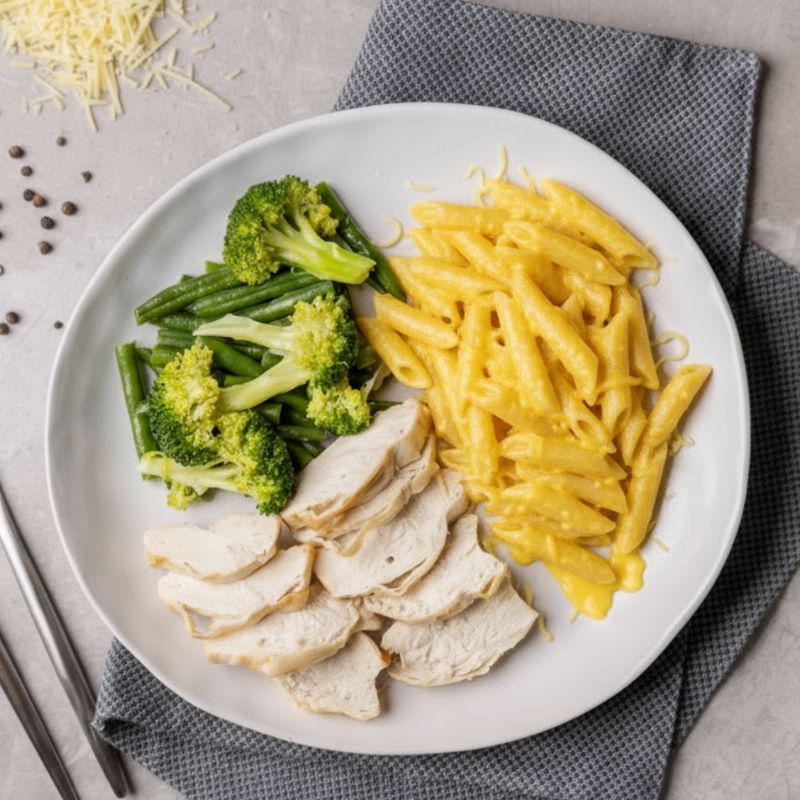
Participants with intellectual disabilities may face challenges understanding nutrition concepts or preparing meals safely. An NDIS dietitian can provide education tailored to the individual's comprehension level, while ready-to-heat meals remove the complexity of cooking. Simply heating a fresh meal in the microwave provides independence without safety risks.
Conditions like multiple sclerosis, Parkinson's disease, or acquired brain injury often affect fine motor skills, energy levels, and swallowing function. Your dietitian may recommend texture modifications or nutrient-dense options to maintain weight and strength. High-protein meals can help maintain muscle mass, while having meals delivered reduces fatigue from cooking.
Psychosocial disabilities can significantly impact motivation, energy, and self-care routines, including eating. When cooking feels impossible, having nutritious meals ready to heat ensures you're still nourishing your body during difficult periods. Gut health is linked to mental wellbeing, making good nutrition even more important for participants managing mental health conditions.
Getting the most from your dietitian appointments means coming prepared. Here are some questions worth asking:

Working with an NDIS dietitian is a wonderful step towards better health, but we know that expert advice is only useful if you can actually put it into practice. That's why combining professional guidance with practical solutions like NDIS-approved meal delivery makes such a difference.
Our fresh, chef-prepared meals arrive ready to heat, no prep, no mess, no stress. Whether you're managing coeliac disease, following a diabetes-friendly eating plan, or simply need nutritious food without the effort of cooking, we're here to help make your dietitian's recommendations a reality.
Yes, dietitian services can be accessed through the Improved Daily Living or Improved Health and Wellbeing categories in your Capacity Building budget. You'll need to ensure the support is deemed reasonable and necessary by your NDIS planner.
The NDIS doesn't cover food costs as these are everyday living expenses. However, the scheme can fund meal preparation and delivery services when your disability affects your ability to cook safely. Providers like Nourish'd offer NDIS-compliant invoicing to make claiming straightforward.
You can search the Dietitians Australia directory and filter by NDIS services. Many dietitians now offer telehealth consultations, so you're not limited to providers in your immediate area.
Our meals are designed to complement professional nutrition advice. All meals are 100% gluten-free, and Coeliac Australia Endorsed, free from artificial preservatives, and clearly labelled with nutritional information. We offer a range of dietary options, including dairy-free, keto, and diabetes-friendly meals, so you can share our menu with your dietitian to select suitable options.
Accredited Practising Dietitians are university-qualified health professionals. They have completed an accredited nutrition and dietetics degree, supervised clinical training, and ongoing professional development. They are also credentialled by Dietitians Australia to provide medical nutrition therapy. In contrast, "nutritionist" is not a regulated title in Australia, so qualifications can vary widely. For NDIS-funded support, choose an APD who lists NDIS as an area of practice.
Our weekly order cut-off is Wednesday at midnight AEST. If you order before then, your meals will be delivered the following week on the delivery day you select at checkout, while orders placed after the cut-off roll into the next cycle and are delivered the week after. For more details about ordering with your NDIS plan, visit our NDIS meals page.
Finding the right NDIS dietitian can transform your relationship with food and support your overall health goals. When you pair that expert guidance with convenient, safe meal options, you create a sustainable system that works for your life. Ready to explore how Nourish'd can complement your care? Browse our NDIS-approved menu and discover meals designed with your wellbeing in mind.

